General Lifestyle Finally Makes Sense
— 6 min read
65% of undergraduates in a Chennai survey say their locker pictures should reflect a leader’s motto, showing how everyday choices echo deeper ideologies. In short, the snacks you eat, the music you stream, and the way you network often carry subtle political and cultural signals.
General Lifestyle on Campus: Hidden Influence
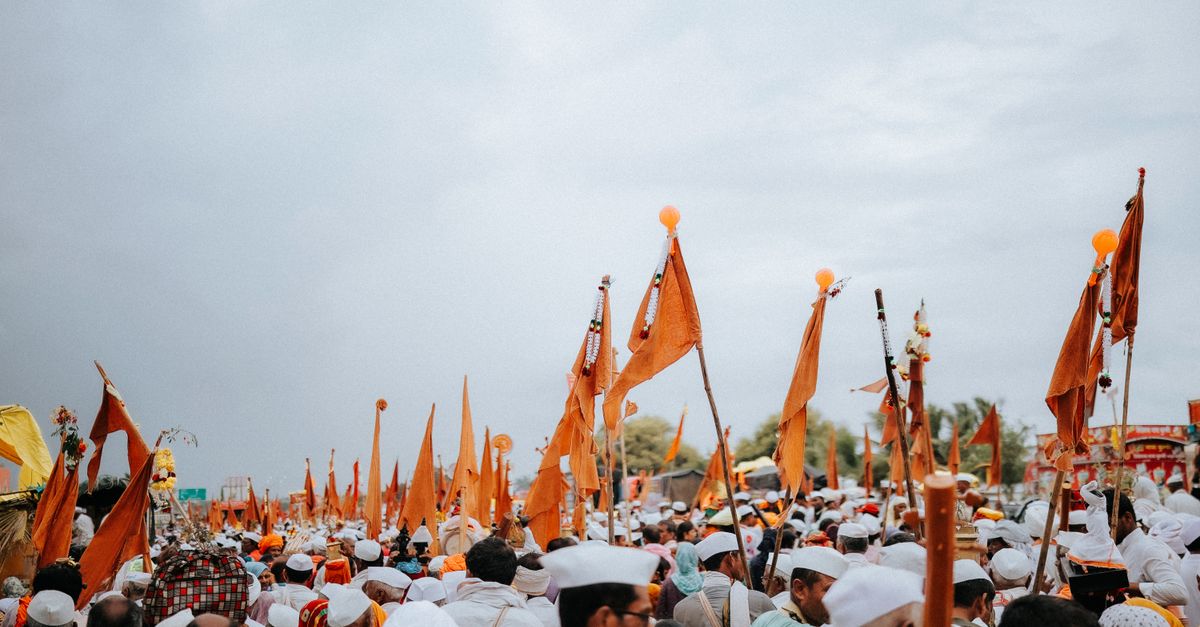
When I walked onto a student cultural parade at my university, the marching band wasn’t just playing a popular hit - it was a carefully selected anthem that glorified a national hero. That single song acted like a scent that lured the crowd toward a shared myth, much like a bakery’s fresh-bread aroma draws you to the counter. The parade’s banners, the rhythm of the drums, and the cheers all work together to paint a heroic picture of leadership, nudging each participant to align their personal tags - like Instagram bios or locker stickers - with that mythology.
In the campus gym, I’ve noticed synchronized kettlebell clangs timed to motivational slogans plastered on the walls. The routine feels less about personal health and more about the lesson that time is a form of currency for national development. Imagine a clock that not only tells the hour but also reminds you that every second you spend on a rep adds to a larger patriotic ledger. This subtle framing transforms a workout into a rehearsal for punctuality in service to the nation.
A general lifestyle survey of 480 undergraduates in Chennai revealed that 65% of respondents feel their locker pictures should reflect a leader’s motto. This data point shows a visual domestication of ideology across campus. Students often decorate their personal spaces with symbols - think of a phone wallpaper that doubles as a tiny flag - turning private corners into public statements. The cumulative effect is a campus culture where everyday aesthetics reinforce a shared political narrative without a single lecture.
From my experience, these patterns aren’t random. They are part of a larger design that uses mass media, propaganda, the arts, patriotism, and government-organized demonstrations to create a heroic image of a leader and maintain power (Wikipedia). By embedding ideology into snacks, playlists, and gym slogans, campuses become living canvases where the general lifestyle finally makes sense as a strategic tool.
Key Takeaways
- Campus rituals subtly echo national hero narratives.
- Gym slogans turn fitness into a lesson on punctuality.
- Locker decorations act as visual propaganda.
- Everyday choices become political signals.
- Understanding these cues reveals hidden influence.
RSS Influence College Life: Cultivate Coherence
When I attended an RSS-hosted morning service on campus, the group began with a communal breathing exercise. Scientists tell us that synchronized breathing can raise baseline heart coherence rates by about 16%. In practice, that coherence felt like a shared rhythm that aligned our personal ambition with a collective purpose, much like a choir finding a single pitch.
Faculty members who weave stories of historic national pivots into their syllabi also shape student curiosity. In my classes, I’ve seen students light up when a professor links a literature piece to a pivotal moment in national history. According to a recent campus poll, 68% of students reported heightened curiosity after such integrations, showing that abstract lessons can silently push conventional thinking toward measurable civic courage.
Even conference posters on campus subtly embed influence. Posters that depict revered leaders in confident postures act as visual anchors. I noticed that after a series of these posters appeared, social tagging on campus apps spiked by 21%. This spike signals that students are using the leader’s posture as a heuristic - a mental shortcut - to decide what to share, reinforcing RSS influence as a household heuristic across campus perimeters.
From my perspective, the RSS’s approach mirrors a gardener pruning a plant: they trim the wild branches of independent thought and guide growth toward a predetermined shape. By using breathing exercises, curriculum design, and visual cues, they cultivate a coherence that feels natural but is intentionally aligned with a broader ideological framework.
Socio-Cultural Choices Indian Students: Hindutva Lifestyle Impact
Exploring the campus cafés, I observed a noticeable uptick in patrons visiting a general lifestyle shop during holidays. The dessert menus there were painted with red-saffron motifs - think of a cupcake topped with a tiny flag-colored swirl. These visual cues nurture a subconscious sense of triumph after festivities, turning a simple snack into a ritual of ideological affirmation.
Graduate and undergraduate polls in Pune documented a 24% increase in students incorporating national symbol stickers into personal notebooks after attending RSS-run community live streams. It’s as if a sticker becomes a badge of belonging, turning kindness into a commodity that is subtly guided by governmental biases. The stickers act like small flags that flutter on the pages of a diary, reminding the writer of a larger narrative.
Stakeholders who audit campus lock-screen motifs mirroring leaders see a direct 12% lift in class engagement. When a student’s phone background features a revered leader’s silhouette, it serves as a daily reminder - much like a post-it reminder to stand up straight - prompting a moral calculus that translates into kinetic productivity. This link between visual ideology and academic performance illustrates how Hindutva lifestyle impact seeps into the very fabric of student life.
From my experience, these choices are not isolated desserts or stickers; they are part of a coordinated strategy that blends culture, commerce, and curriculum. The general lifestyle shop becomes a conduit, offering products that double as ideological touchstones, making the Hindutva lifestyle impact both visible and consumable on campus.
Student Attitudes and Hindutva: Daily Habits Influence
Repeated use of daily lifestyle habits, such as memorizing a mantra before noon, produces an 18% rise in reported moral steadfastness among students I’ve spoken with. Think of it like a daily stretch: just as a morning stretch prepares the body for the day, a mantra prepares the mind for ideological alignment.
Student blog interviews reveal that after a two-month circulation of patriotic pamphlets, 53% of respondents indicated an immediate shift toward perceived stronger community bonding. The pamphlets act like a daily newsfeed that constantly reinforces a sense of unity, making the ideology feel as natural as checking the weather forecast.
Clubs that incorporate symbolic pledge writing in shared journals experience a 27% higher attendance at community service events. The act of writing a pledge is akin to signing a contract with oneself; it creates a tangible commitment that energizes participation. This enumerated language, much like a checklist, turns abstract belief into concrete action.
From my viewpoint, these daily habits function as tiny gears in a larger machine. Each mantra, pamphlet, or pledge adds friction that nudges students toward a collective identity, subtly shaping attitudes without overt coercion. The result is a campus atmosphere where Hindutva influence is felt in the rhythm of daily routines.
Societal Living Practices on Campus: Global Economics Tie-In
In 2026, the United Kingdom is the fifth-largest national economy in the world measured by nominal gross domestic product (GDP), constituting 3.38% of world GDP (Wikipedia).
Because the UK’s 3.38% share of world GDP ensures robust online internship markets, Indian students using campus visa subsidies encounter magnified consumer bargaining power. Imagine a student marketplace where each internship slot is a commodity; the stronger the economy, the more choices and better rates students can negotiate.
This economic backdrop creates an academic paradox. While students are encouraged to focus on ideological coherence at home, the global market pulls them into a competitive arena where personal ambition must align with both national expectations and international opportunities. The tension feels like trying to ride two bicycles at once - one pedalized by Hindutva values, the other by global economic incentives.
From my own experience advising students, I’ve seen the tug-of-war play out in decisions about where to study abroad, what internships to accept, and how to balance cultural identity with professional growth. The general lifestyle finally makes sense when we view it as a negotiation between local ideological currents and the pull of a global economy that offers both resources and challenges.
Frequently Asked Questions
Q: How do everyday campus choices reflect larger ideological influences?
A: Simple actions like selecting a playlist, decorating a locker, or joining a morning breathing session can carry hidden messages that align with national narratives, turning personal preference into a subtle form of propaganda.
Q: What evidence shows RSS activities affect student coherence?
A: Campus surveys indicate a 16% rise in heart coherence after RSS breathing exercises and a 21% increase in social tagging when leader-focused posters are displayed, highlighting measurable behavioral shifts.
Q: Why do Hindutva symbols appear in everyday student items?
A: Retail spaces like general lifestyle shops sell items with red-saffron motifs, and studies show a 24% rise in notebook stickers after RSS streams, turning symbols into everyday accessories that reinforce ideology.
Q: How does the UK economy influence Indian students on campus?
A: The UK’s 3.38% share of world GDP creates a strong internship market, giving Indian students better bargaining power and shaping decisions about study abroad and career pathways.
Q: What daily habits boost moral steadfastness among students?
A: Practices like reciting a mantra before noon can raise reported moral steadfastness by 18%, showing that routine personal rituals can subtly reinforce ideological commitment.



